Demand Grows for Slow-Release and Organic-Based Lawn Fertilizers in Residential Lawns
Homeowners across the country are rethinking how they feed their grass. For decades, quick-release granular products dominated the market, promising fast, visible greening within days of application. But that speed often came at a cost: nutrient runoff, scorched blades from over-application, and a lawn that needed constant re-feeding to stay healthy. Today, a quieter but more sustainable trend is taking hold in residential yards — the shift toward slow-release and organic-based lawn fertilizer. This change reflects a broader movement toward long-term soil health, environmental responsibility, and lawns that thrive season after season rather than burning bright for a week and fading. In this post, we'll explore what's driving this shift, what the data tells us about where the market is headed, and why partnering with trained professionals matters more than ever when it comes to choosing and applying the right lawn fertilizer for your property.
Understanding the Shift Toward Slow-Release Lawn Fertilizer
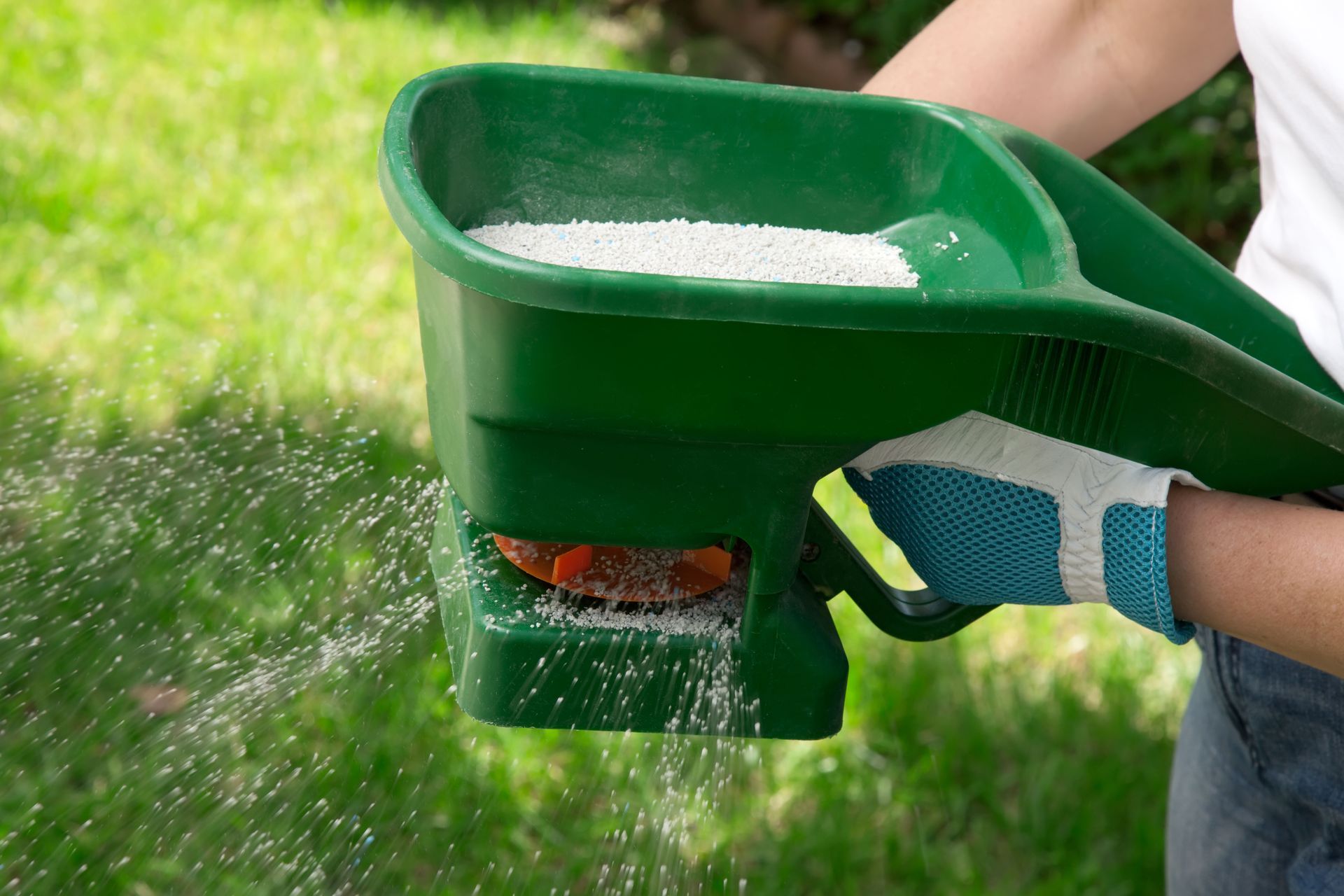
Traditional fast-release fertilizers deliver a heavy dose of nitrogen all at once, causing a rapid green-up followed by a steep decline as nutrients are depleted or washed away by rain and irrigation. Slow-release lawn fertilizer works differently. It's engineered to break down gradually, releasing nutrients over weeks or months rather than days. This steady feeding pattern reduces the risk of nutrient burn, minimizes the number of applications needed throughout the season, and keeps grass consistently nourished rather than subjecting it to feast-or-famine cycles.
Homeowners are drawn to this approach because it aligns with how they actually want their lawns to look and function. Instead of a dramatic but short-lived flush of color, slow-release products support even, sustained growth. That means fewer mowing spikes, more consistent color, and a root system that has time to develop strength between feedings rather than chasing quick top growth. For busy families managing school schedules, work, and weekend plans, a fertilizer program that requires less frequent intervention while still delivering reliable results has obvious appeal.
Exploring the Growth of Organic-Based Lawn Fertilizer
Alongside slow-release formulations, organic-based products are gaining ground in residential applications. These fertilizers draw nutrients from natural sources such as composted plant material, animal byproducts, or other organic matter rather than synthetic chemical compounds. Because organic nutrients are typically released as soil microbes break them down, they naturally behave more like slow-release products — feeding the lawn gradually while also improving the biological health of the soil itself.
This dual benefit is a major reason organic-based lawn fertilizer has found favor with environmentally conscious homeowners. Families with children or pets who spend significant time on the lawn often prefer knowing that what's being applied underfoot is derived from natural inputs. Organic options also tend to improve soil structure over time, encouraging earthworm activity, beneficial microbial populations, and better water retention — all of which contribute to a lawn that becomes more self-sufficient the longer a program is maintained.
Examining the Market Data Behind Slow-Release Lawn Fertilizer
The growing consumer preference for slow-release and organic-based products isn't just anecdotal — it's showing up clearly in market projections. According to Future Market Insights, the global market for controlled and slow-release fertilizers was valued at $8.18 billion in 2025 and is projected to more than double, reaching $17.01 billion by 2036. That kind of sustained growth signals more than a passing trend; it reflects a fundamental change in how both commercial agriculture and residential lawn care approach nutrient management.
For homeowners, this shift means more product options, improved formulations, and greater availability of slow-release lawn fertilizer through professional lawn care providers. As manufacturers invest in research and refine release-rate technology, the products available to residential customers continue to improve in both performance and environmental profile. This is good news for anyone looking to maintain a healthy lawn while reducing the frequency of applications and the potential for nutrient runoff into local waterways.
Recognizing the Benefits of Slow-Release Lawn Fertilizer
Beyond the environmental advantages, there are practical, day-to-day benefits that make slow-release lawn fertilizer an attractive choice for residential properties. First, the reduced application frequency saves homeowners time and money compared to programs requiring frequent reapplication. Second, the steady nutrient delivery reduces the likelihood of fertilizer burn, a common problem with fast-release products applied in warm weather or slightly heavier-than-recommended doses.
Third, slow-release formulations support deeper, stronger root systems. Because the plant isn't overwhelmed with nutrients all at once, it can absorb what it needs over time and direct energy toward root development rather than just rapid top growth. This translates into a lawn that's more resilient to drought stress, foot traffic, and the seasonal temperature swings common throughout the Midwest. A lawn with a well-established root system also tends to outcompete weeds more effectively, since dense, healthy turf leaves less room for unwanted growth to take hold.
Weighing the Role of Soil Health in Lawn Fertilizer Programs
No lawn fertilizer program succeeds in isolation from the soil it's feeding. Even the best slow-release or organic product will underperform if applied to compacted, nutrient-poor, or biologically inactive soil. That's why soil enhancement has become such an important companion service to fertilization programs. Treatments designed to improve soil composition help nutrients penetrate more effectively, allowing roots to access what they need at the depth where it matters most.
Compacted soil is a particularly common obstacle. When soil particles are pressed tightly together — often the result of heavy foot traffic, parked vehicles, or natural settling over time — air, water, and nutrients struggle to move downward into the root zone. Lawn bioaeration addresses this by introducing beneficial microbial activity that breaks down thatch and improves soil porosity without physically disrupting the turf surface. When bioaeration is paired with a slow-release or organic lawn fertilizer application, the results are noticeably better: nutrients reach the root zone more efficiently, and the soil itself becomes a healthier growing environment over the long term.
Trusting Professionals With Your Lawn Fertilizer Program
With so many product types, release rates, and application timings to consider, it's easy to see why homeowners increasingly turn to professionals rather than guessing their way through a DIY program. Applying lawn fertilizer effectively requires more than reading a bag label — it requires understanding soil conditions, grass type, seasonal timing, and how a given property's specific challenges (compaction, thinning, pest pressure) should shape the treatment plan.
Professionals also bring access to products and application methods that aren't always available at the retail level, along with the training to apply them at the correct rate and timing. Overapplication can damage turf or contribute to nutrient runoff, while underapplication leaves grass vulnerable to disease, weeds, and stress. A trained applicator can also identify related issues — such as grub activity beneath the surface or insect pressure on nearby trees and shrubs — that might otherwise go unnoticed until real damage appears. Because a lawn doesn't exist in isolation from the trees and shrubs surrounding it, coordinating fertilization with broader plant health services often produces a more balanced, resilient landscape overall.
For homeowners weighing whether a professional program is worth the investment, it helps to think beyond a single season. Consistent, expert-applied lawn fertilizer treatments build cumulative soil and turf health over years, not weeks. That long-term perspective is difficult to replicate with occasional store-bought bags applied without a coordinated plan.
The move toward slow-release and organic-based lawn fertilizer isn't a passing preference — it's backed by real market momentum and a genuine shift in how homeowners think about long-term lawn health. As the data from Future Market Insights suggests, this is a growth trend with staying power, and residential lawns are very much part of that story. Whether the goal is reducing environmental impact, cutting down on application frequency, or simply achieving a more consistent, resilient lawn, slow-release and organic options offer real advantages over traditional fast-release products.
That said, getting the most out of any lawn fertilizer program depends heavily on proper application, soil preparation, and ongoing care tailored to your specific property. This is where professional expertise makes the difference between a lawn that looks good for a week and one that thrives all season long. If you're ready to build a fertilization plan suited to your lawn's real needs — one that considers soil health, root development, and the trees and shrubs that share your landscape — we invite you to reach out to us at Modern Lawn Tree & Shrub Care. Contact us today to schedule a consultation and let our team help your lawn reach its full potential.


Share On: