Understanding the Importance of Lawn Fertilizer
A lush, green lawn doesn’t happen by accident. Behind every vibrant yard is a thoughtful plan that includes mowing, watering, aeration, and—most importantly—fertilization. While grass may seem simple, it requires specific nutrients to grow thick, resilient, and healthy. Understanding the importance of lawn fertilizer helps homeowners make informed decisions that support long-term lawn health, improve curb appeal, and protect their investment in their outdoor space.
What Is Lawn Fertilizer?
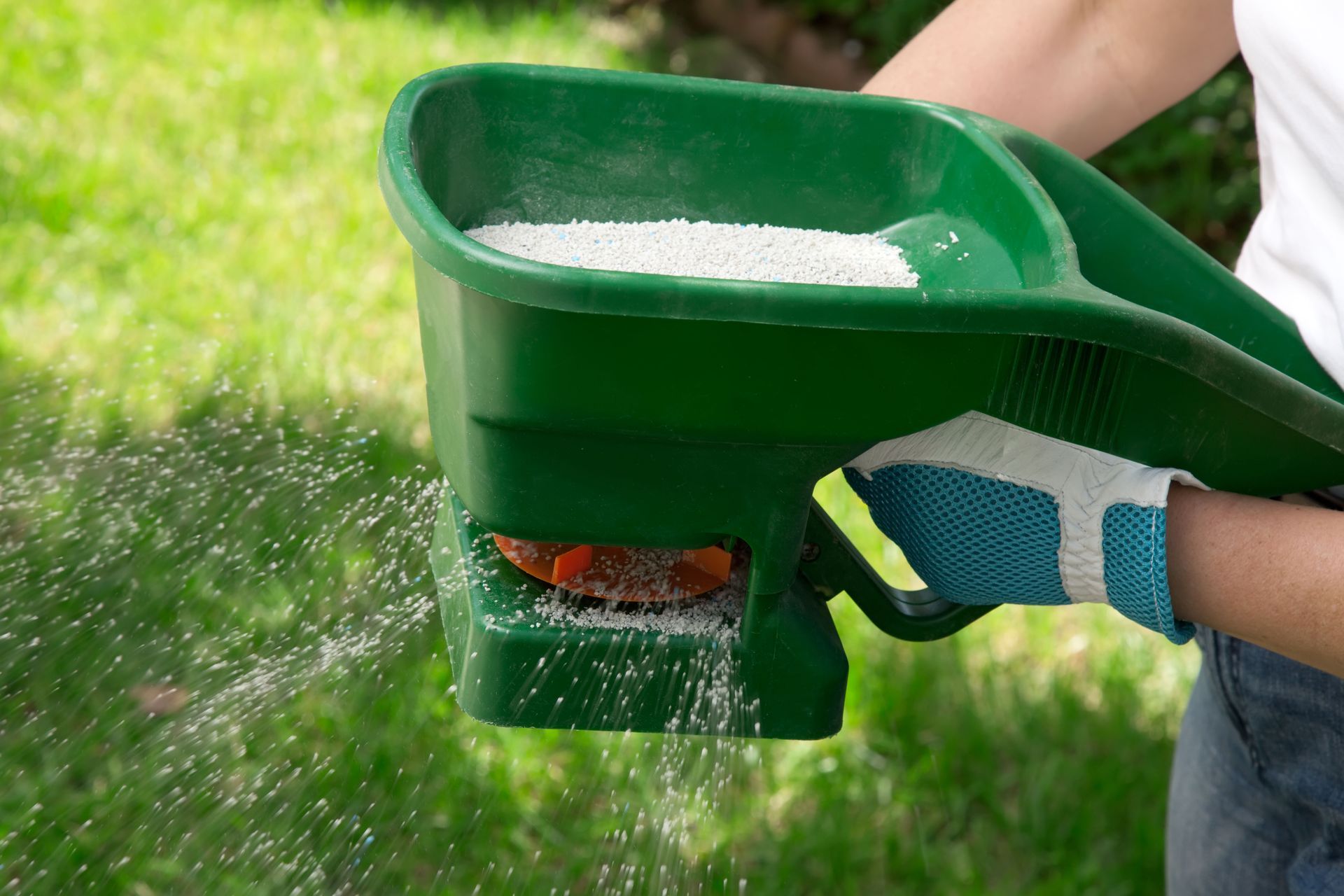
Lawn fertilizer is a nutrient-rich product designed to replenish essential elements in the soil that grass needs to thrive. Over time, soil becomes depleted due to weather, foot traffic, mowing, and natural plant growth cycles. Fertilizers restore these lost nutrients, ensuring grass has access to what it needs for strong roots, rich color, and steady growth. Whether organic or synthetic, fertilizers are carefully formulated to deliver balanced nourishment that supports both visible lawn health and underground root development.
The Role of Essential Nutrients
The three primary nutrients found in most fertilizers are nitrogen (N), phosphorus (P), and potassium (K). Nitrogen encourages vibrant green growth and blade development. Phosphorus supports root formation and early establishment, making it especially important for new lawns. Potassium strengthens grass against stress, disease, and temperature extremes. Together, these nutrients create a balanced foundation that allows grass to grow evenly, resist pests, and recover quickly from wear and tear.
Why Soil Health Matters
Healthy soil is the foundation of any thriving lawn. Even if grass appears green on the surface, poor soil conditions can limit long-term success. Soil structure, pH balance, and organic matter content all influence how effectively nutrients are absorbed. Fertilizers help correct nutrient deficiencies, but they work best when paired with proper soil management practices such as aeration and testing. By understanding your soil’s specific needs, you can choose a fertilizer blend that delivers optimal results.
Encouraging Strong Root Development
A lawn’s true strength lies beneath the surface. Deep, healthy roots allow grass to access water and nutrients more efficiently, making it more resilient during drought or extreme heat. Fertilization promotes robust root systems that anchor grass securely in the soil. When roots are strong, grass grows thicker and more uniform, reducing bare patches and improving overall lawn density. Strong roots also help prevent erosion and enhance the lawn’s ability to withstand heavy foot traffic.
Improving Lawn Color and Density
One of the most noticeable benefits of fertilization is enhanced lawn color. Nitrogen-rich fertilizers stimulate chlorophyll production, giving grass its vibrant green hue. Beyond color, fertilizer also improves density by encouraging new blade growth and lateral spread. Thicker lawns naturally crowd out weeds, minimizing the need for chemical weed control. Over time, consistent fertilization results in a carpet-like appearance that boosts curb appeal and makes outdoor spaces more inviting.
Enhancing Resistance to Weeds and Pests
A well-fed lawn is better equipped to defend itself against common threats. Thick, healthy grass limits sunlight exposure to weed seeds, reducing germination and spread. Additionally, strong turf is more resistant to insect damage and fungal diseases. While fertilizer alone doesn’t eliminate pests, it creates an environment where grass can recover more quickly from stress. When combined with proper mowing and watering techniques, fertilization becomes a powerful tool in maintaining a resilient landscape.
Seasonal Fertilization Strategies
Fertilization isn’t a one-size-fits-all approach. Different seasons require different nutrient balances to support the lawn’s growth cycle. In spring, nitrogen helps with growth after winter dormancy. Summer applications focus on strengthening grass against heat and drought stress. Fall fertilization is particularly important, as it promotes root development and prepares the lawn for colder months. Timing applications properly ensures nutrients are absorbed when grass needs them most, maximizing effectiveness and minimizing waste.
The Difference Between Organic and Synthetic Fertilizers
Homeowners can choose between organic and synthetic fertilizer options, each offering unique benefits. Organic fertilizers are derived from natural sources and release nutrients slowly as they break down. They improve soil structure and encourage beneficial microbial activity. Synthetic fertilizers, on the other hand, deliver nutrients quickly and provide more precise control over nutrient ratios. The best choice often depends on lawn goals, soil conditions, and maintenance preferences. Both options can support healthy growth when used responsibly.
Preventing Overfertilization
According to Our World in Data, around 50% of the world's population today are reliant on fertilizer for food production, and while fertilizer is beneficial, more isn’t always better. It can lead to rapid growth that weakens grass structure, increases mowing frequency, and makes lawns more susceptible to disease. It can also cause nutrient runoff, which may harm nearby waterways. Applying the correct amount at the right intervals is essential. Following manufacturer guidelines and conducting soil tests can help determine precise nutrient requirements, preventing unnecessary applications and protecting the environment.
Environmental Considerations
Responsible fertilization practices protect both your lawn and the surrounding ecosystem. Applying fertilizer during appropriate weather conditions—avoiding heavy rain or extreme heat—reduces runoff and improves absorption. Choosing slow-release formulas can minimize nutrient leaching and promote steady growth. Maintaining proper buffer zones near sidewalks and storm drains also helps protect local water systems. By adopting environmentally conscious habits, homeowners can enjoy beautiful lawns without compromising sustainability.
Fertilization and Lawn Establishment
New lawns require careful nutrient management to establish strong roots and healthy growth patterns. Starter fertilizers are specifically designed to support seed germination and early root development. Providing balanced nutrition during this critical phase ensures grass becomes well-established and resilient. Consistent fertilization in the first year lays the groundwork for long-term lawn health, reducing the need for corrective treatments in the future.
Supporting Drought Tolerance
In regions prone to dry conditions, fertilization plays a key role in improving drought resistance. Potassium strengthens grass cells, helping them retain moisture and withstand environmental stress. Deep-rooted grass can access water stored deeper in the soil, allowing it to remain greener longer during dry spells. Combined with proper watering practices, fertilization enhances the lawn’s natural ability to adapt to changing weather conditions.
Boosting Property Value and Curb Appeal
A well-maintained lawn significantly enhances the visual appeal of any property. Thick, green grass creates a welcoming atmosphere and makes homes appear cared for and inviting. For homeowners considering selling, a healthy lawn can positively influence first impressions and perceived property value. Fertilization is a relatively simple investment that yields noticeable aesthetic and financial returns over time.
Integrating Fertilizer Into a Complete Lawn Care Plan
Fertilizer works best as part of a comprehensive lawn care strategy. Regular mowing at the proper height encourages healthy blade growth. Aeration reduces soil compaction, allowing nutrients and water to penetrate more effectively. Overseeding fills in thin areas and improves density. When fertilization is combined with these practices, lawns experience balanced growth and sustained health throughout the year.
Long-Term Benefits of Consistent Fertilization
Consistency is key when it comes to lawn fertilization. Sporadic applications may provide temporary improvement, but long-term health depends on a structured schedule. Over time, consistent fertilization builds stronger turf, enhances soil quality, and improves the lawn’s natural defenses. The result is a resilient landscape that requires fewer corrective treatments and remains attractive throughout changing seasons.
Understanding the importance of lawn fertilizer empowers homeowners to make informed decisions that support sustainable growth and lasting beauty. When applied responsibly and integrated into a broader maintenance plan, fertilizer transforms ordinary grass into a vibrant, durable, and inviting outdoor space. Based out of Brighton, MI, our team at Modern Lawn Tree & Shrub Care provides quality lawn fertilization, tree and shrub care, and soil enhancement services. Get in touch today!





Share On: