5 Questions to Ask a Lawn Fertilization Company Before Hiring
Achieving a lush, vibrant lawn requires consistent attention, scientific understanding, and the proper balance of essential nutrients throughout the growing season. While many homeowners aspire to maintain rich green turf, balancing daily life with proper yard maintenance can prove challenging. Turning to an experienced lawn fertilization company allows homeowners to establish a systematic nutritional program tailored to the specific characteristics of their property and regional climate.
Selecting the right service provider involves far more than simply scheduling routine visits. Every lawn features unique soil conditions, grass cultivars, sun exposure levels, and drainage patterns that demand customized treatment strategies. Asking targeted questions before entering into a service agreement ensures that your property receives thoughtful care designed to promote vigorous root systems, steady growth, and long-term vitality.
1. What Fertilizer Formulations Do You Apply to Nourish Residential Turf?
Understanding the specific products applied to your lawn is critical for cultivating healthy, resilient grass that withstands environmental stresses. Grass requires a precise balance of primary macronutrients, including nitrogen, phosphorus, and potassium, to support vigorous cellular development and deep root expansion. A reputable lawn fertilization company selects commercial-grade blends tailored to the specific grass species growing in your yard, avoiding generalized products that deliver uneven or volatile results.
The composition of nitrogen within a nutrient formula plays an especially critical role in maintaining balanced leaf growth. Highly soluble forms can cause an unsustainable growth spurt that depletes energy reserves and weakens root structures. According to Pennsylvania State University, residential turf fertilizers generally feature at least 33% slow-release nitrogen to avoid the sudden surge of blade development triggered by heavy early- to mid-spring applications of quick-release nutrients. By choosing balanced formulations, technicians ensure steady, controlled nutrient uptake that builds durable turf density over time.
Additionally, asking about secondary nutrients and organic supplements reveals the depth of a provider's horticultural knowledge. Micronutrients like iron, sulfur, and magnesium contribute significantly to deep green color and enzyme activity without promoting excessive top growth. Knowing what products will touch your grass allows you to make informed decisions that benefit your outdoor living environment.
2. What Testing Procedures Do You Use to Evaluate Native Soil Health?
A truly effective turf management plan begins below the surface within the soil profile itself. Soil texture, compaction, microbial activity, and pH levels govern how effectively grass roots absorb applied nutrients. Inquiring about diagnostic testing helps you determine whether a lawn fertilization company evaluates your soil before establishing an application program, ensuring treatments address fundamental underlying deficiencies rather than masking surface symptoms.
When soil pH swings too acidic or excessively alkaline, critical nutrients become chemically bound within the soil matrix, rendering them inaccessible to grass roots regardless of how much fertilizer is applied. Diagnostic soil testing pinpoints these imbalances, enabling technicians to apply corrective amendments such as agricultural limestone or sulfur. Addressing soil chemistry at the outset optimizes nutrient availability and establishes an ideal environment for sustained turf vigor.
Soil assessment also sheds light on organic matter levels and subsoil compaction issues. Compacted ground restricts water infiltration and oxygen movement, stunting root development and encouraging shallow rooting habits. Technicians who assess soil conditions thoroughly can recommend core aeration or soil conditioners that relieve compaction, helping applied nutrients penetrate directly into the active root zone.
3. What Seasonal Schedules Do You Follow to Support Annual Turf Growth?
Timing is everything when it comes to feeding residential turf, as grass has distinct physiological needs that change with the seasons. Applying nutrients during severe summer heat or when grass is dormant can cause tissue burn, stimulate weed growth, or waste valuable inputs through leaching. A knowledgeable lawn fertilization company follows an agronomic calendar structured around local seasonal cycles, temperature shifts, and growth phases rather than rigid, arbitrary dates.
Early spring applications should focus on waking up the root system and supporting gentle leaf emergence after winter dormancy. As summer arrives, the nutritional focus shifts toward building heat resilience and drought tolerance through balanced potassium applications. When autumn approaches, cool-season grasses enter a vital recovery and storage phase, requiring thoughtful nourishment to develop deep carbohydrate reserves that fuel early greening when the subsequent spring arrives.
Discussing the annual calendar allows you to understand how weather anomalies, such as extended droughts or unseasonable rainfall, influence application intervals. Flexibility in scheduling demonstrates that the maintenance team prioritizes biological timing over mechanical convenience, ensuring your turf receives care precisely when it can absorb and utilize the nutrients effectively.
4. What Integrated Strategies Do You Employ to Manage Invasive Lawn Weeds?
A well-rounded turf management program must address unwanted vegetation that competes with turfgrass for sunlight, moisture, and soil nutrients. Aggressive weeds such as dandelions, crabgrass, and clover can quickly overtake thin areas of a lawn if left unchecked. A diligent lawn fertilization company integrates proactive weed prevention with targeted post-emergent spot treatments, maintaining a dense lawn canopy that naturally crowds out invasive seedlings.
Pre-emergent treatments form a protective chemical barrier in the upper soil layer, preventing weed seeds from successfully germinating as spring soil temperatures rise. For persistent broadleaf weeds that emerge later in the season, selective applications eliminate targeted weeds without causing stress or discoloration to desirable turfgrass blades. Inquiring about these control methods ensures that treatments remain precise and measured.
Furthermore, cultivating thick, vigorous grass remains the single most reliable long-term defense against invasive weeds. By properly nourishing desirable grass cultivars, the lawn forms a dense vegetative mat that blocks sunlight from reaching weed seeds lying dormant in the soil. A sound weed management philosophy always focuses on strengthening the grass rather than relying solely on repetitive chemical controls.
5. What Protective Practices Do You Implement to Safeguard Surrounding Landscapes?
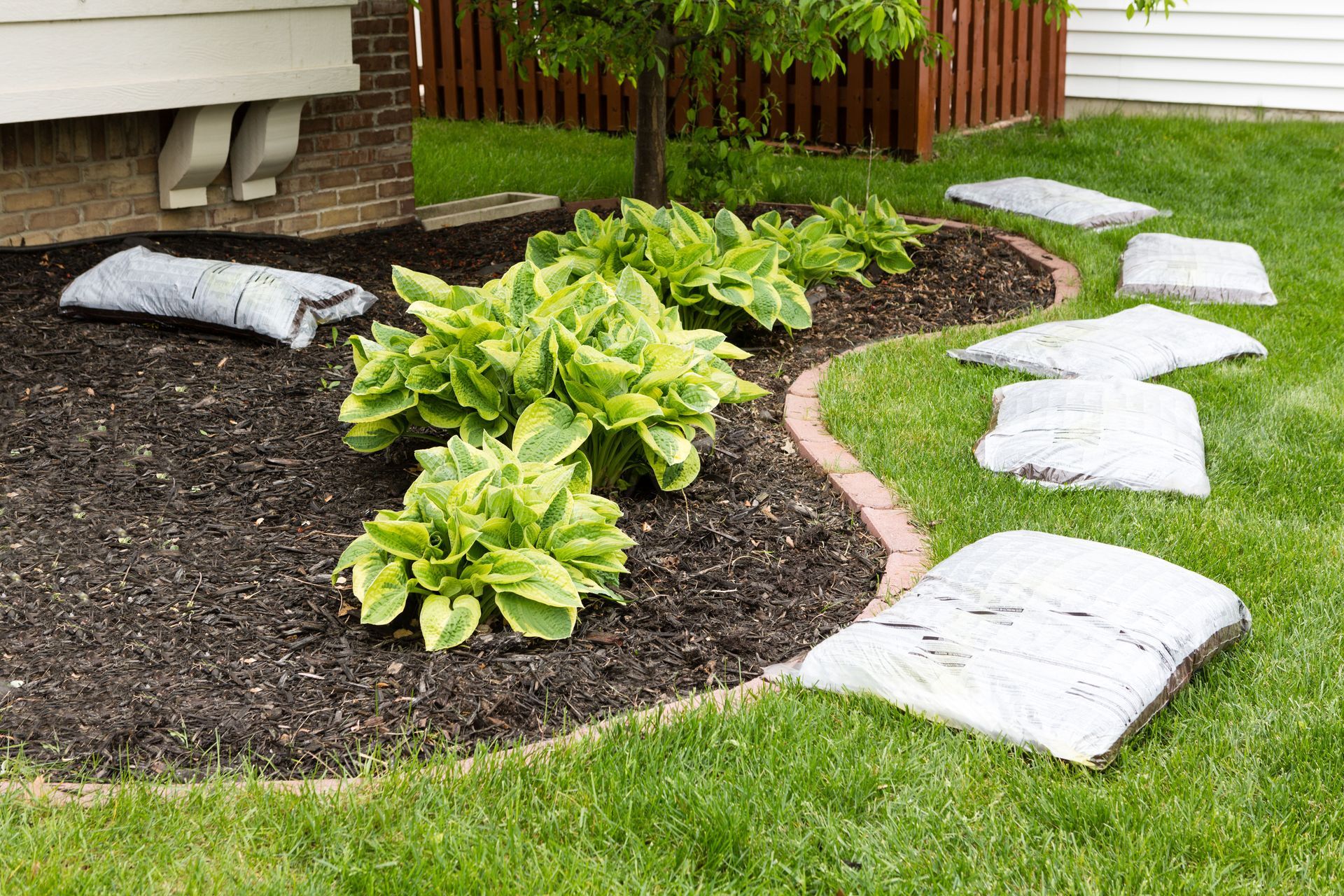
Turf does not exist in isolation; it borders flower beds, ornamental shrubs, mature shade trees, hardscape walkways, and neighborhood drainage pathways. Careless application practices can cause fertilizer granules to bounce into delicate perennial plantings or scatter across paved driveways where rain washes them into local storm sewers. Partnering with a conscientious lawn fertilization company ensures that technicians implement careful application protocols that protect your entire landscape and surrounding watershed.
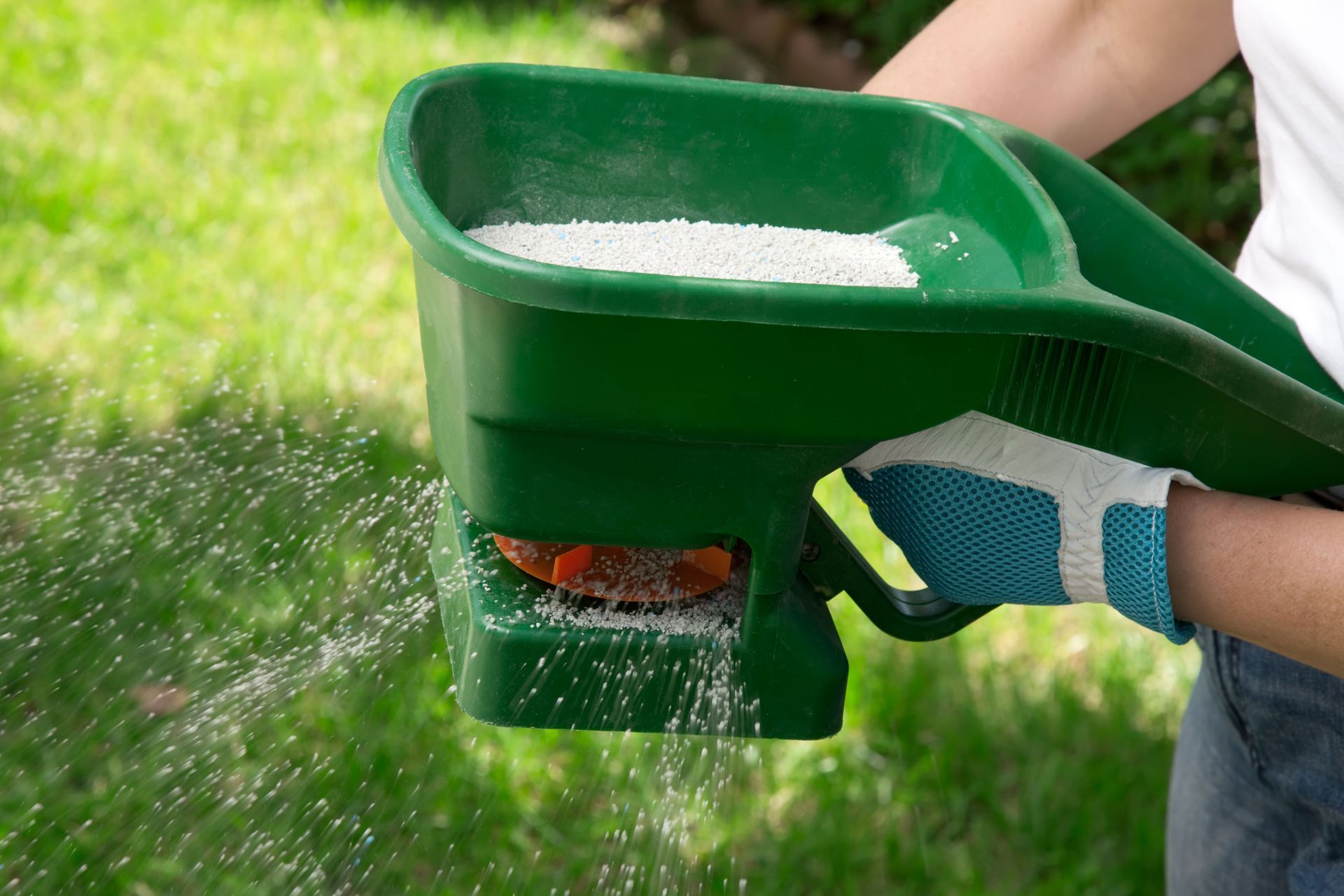
Professional application standards include utilizing deflector shields on broadcast spreaders when operating near garden borders, sidewalks, and patios. After spreading granular formulations, technicians should blow or sweep stray granules off hard surfaces back onto the lawn where the nutrients can be absorbed by the root system. These clean practices prevent unsightly staining on concrete and safeguard local waterways from unintended nutrient runoff.
In addition, asking about customer notification protocols helps you keep children and household pets safe after each application. Clear post-service guidelines indicate how long to wait before allowing foot traffic on the lawn and outline appropriate watering recommendations to activate the treatment. Clear communication safeguards your household and ensures that your outdoor areas remain pleasant, healthy spaces for family activities.
Investing time to ask essential questions before partnering with a service provider ensures that your turf receives individualized, scientifically grounded care. By discussing nutrient formulations, soil assessment methods, seasonal scheduling, weed management strategies, and property protection practices, you gain full clarity regarding how your yard will be nurtured. A dedicated lawn fertilization company brings valuable agronomic knowledge to your outdoor spaces, helping you achieve a lush, durable lawn that enhances your home for years to come.
If you are ready to cultivate a thicker, greener lawn with dependable seasonal care, contact us at Modern Lawn Tree & Shrub Care today. We will help you design a customized treatment program that brings lasting health and beauty to your landscape.








Share On: